What Does It Mean to Be “Aware” in a World That Never Slows Down?
Awareness has become a strangely rare thing.
Not information — we have endless information.
But real awareness:
* awareness of ourselves,
* awareness of our nervous systems,
* awareness of other people,
* awareness of burnout,
* awareness of emotional patterns,
* awareness of the present moment,
* awareness of how deeply modern life pulls us away from ourselves.
Many people today move through life overstimulated, emotionally exhausted, disconnected from their bodies, and constantly reacting to noise, algorithms, urgency, and pressure. In that environment, even a small reminder to return to awareness can matter more than we realize.
That is part of the inspiration behind the simple “Aware” clothing design available throughI Learned It In Therapy.
Because sometimes one word can quietly hold an entire philosophy.
Awareness Is Not Perfection
Being aware does not mean being endlessly productive, emotionally flawless, spiritually enlightened, or perfectly healed.
It simply means noticing.
Noticing:
* your emotions before they consume you,
* your stress before burnout arrives,
* your relationships,
* your environment,
* your habits,
* your nervous system,
* your impact on others,
* and the small moments that make life feel human again.
Awareness creates choice.
And in many ways, therapy itself is often the gradual process of becoming aware — gently, honestly, and sometimes for the very first time.
Why Emotionally Meaningful Clothing Resonates
People increasingly want clothing that reflects identity, values, emotional intelligence, and inner experience — not just fashion trends.
Minimalist statement clothing has become especially powerful because subtle messages often feel more personal than loud branding. A single thoughtful word can create recognition between strangers who share similar experiences, values, or ways of seeing the world.
“Aware” resonates with:
* therapists,
* psychology students,
* mindfulness practitioners,
* emotionally intelligent creatives,
* highly sensitive people,
* introspective individuals,
* and people trying to stay grounded in a chaotic world.
For some, it represents emotional growth.
For others, social consciousness.
For others, nervous system awareness.
For others, simply remembering to stay present.
The meaning is intentionally open.
Clothing as Quiet Self-Expression
The most meaningful designs often do not scream for attention.
They feel calm.
Intentional.
Recognizable to the right people.
The “Aware” design was created to feel exactly that way: understated, thoughtful, emotionally aware, and quietly reflective of a deeper internal life.
At I Learned It In Therapy, many of our designs are inspired by therapist culture, emotional wellness, nervous system care, introspection, and the strange experience of being a deeply feeling person in an overstimulated world.
Because clothing can sometimes function as more than aesthetics.
It can become:
* a reminder,
* a grounding cue,
* an emotional identifier,
* or a reflection of personal values.
The Rise of Emotionally Intelligent Aesthetics
There has been a major cultural shift toward softer, more emotionally conscious forms of self-expression.
People are increasingly drawn toward:
* cozy wellness culture,
* mindfulness,
* nervous system regulation,
* authenticity,
* emotionally intelligent humor,
* and calming minimalist aesthetics.
The popularity of emotionally aware apparel reflects that shift. Many people no longer want branding that feels aggressive, performative, or disconnected from real human experience.
They want things that feel honest.
Things that quietly say:
> “I pay attention.”
> “I think deeply.”
> “I care about how people feel.”
> “I am trying to move through life consciously.”
That is what “Aware” was designed to embody.
More Than Clothing
At I Learned It In Therapy, the goal has never simply been to create products.
The goal is to create emotionally resonant tools, clothing, art, and experiences for people who are thoughtful, reflective, emotionally aware, and trying to navigate modern life with some degree of softness still intact.
Whether through therapist-inspired apparel, mental health humor, calming creative tools, or comforting designs, the intention remains the same:
To create things that feel human.
If you have been searching for minimalist therapist apparel, emotionally intelligent clothing, mindfulness-inspired fashion, or calming mental health-inspired designs, you can explore the “Aware” collection and other therapeutic products through I Learned It In Therapy.
Because awareness itself is becoming a form of quiet rebellion.
Why Therapists, Burnt-Out Professionals, and Anxious Humans Are Turning Back to Coloring Books
There is something quietly healing about sitting down with colored pencils after a difficult day.
No notifications.
No pressure to perform.
No endless scrolling.
Just color, texture, imagination, and a few moments where the nervous system can finally soften.
More therapists, graduate students, healthcare workers, and emotionally overwhelmed adults are rediscovering coloring books — not as childish activities, but as accessible tools for grounding, mindfulness, and emotional regulation.
At I Learned It In Therapy, we created our coloring books specifically for people who carry a lot mentally and emotionally. People who spend much of their lives caring for others, overthinking, working in helping professions, or simply trying to survive modern stress without losing their softness.
Why Coloring Helps Anxiety and Emotional Overload
When stress levels rise, the brain often becomes trapped in loops of hypervigilance, doomscrolling, rumination, or emotional exhaustion. Creative repetitive activities like coloring may help interrupt those loops by engaging focused attention in a calming, low-stakes way.
Many people describe coloring as:
* meditative,
* grounding,
* emotionally regulating,
* comforting,
* and surprisingly difficult to stop once they begin.
Unlike productivity-focused hobbies, coloring asks nothing from you except presence.
No perfection.
No performance.
No urgency.
That matters more than many people realize.
The Rise of “Cozy Mental Health” Tools
People are increasingly seeking emotional wellness tools that feel comforting rather than clinical.
That’s part of why cozy creativity has become such a powerful trend online. Soft lighting, tea rituals, journaling, comforting aesthetics, quiet hobbies, and nostalgic creative activities all help create tiny moments of nervous system recovery.
Our products at I Learned It In Therapy were designed around that exact feeling.
Not “fix yourself.”
Not “optimize yourself.”
Just:
“Here is something gentle for your brain.”
The Therapeutic Reverse Coloring Book: Creativity Without Perfectionism
Traditional coloring books tell you where to color.
The Therapeutic Reverse Coloring Book does the opposite.
Each watercolor page already contains flowing color and texture, allowing you to create the lines, shapes, and interpretations yourself. This creates a more intuitive and emotionally freeing creative experience that many perfectionistic adults find deeply relaxing.
People love reverse coloring because:
* there is no wrong answer,
* it feels imaginative instead of performative,
* it reduces creative pressure,
* and it encourages mindfulness naturally.
It has become especially popular among therapists, anxious adults, neurodivergent creatives, and people recovering from burnout.
The SushiCat Inspirational Coloring Book: Emotional Support in Tiny Cat Form
Sometimes emotional wellness also needs humor and softness.
The SushiCat Inspirational Coloring Book combines adorable cat illustrations with comforting, encouraging messages designed to create small moments of emotional relief during difficult days.
It makes a perfect:
* therapist gift,
* grad school survival gift,
* self-care activity,
* anxiety care package addition,
* or cozy evening ritual.
Many readers keep it near their desk or bedside as a way to decompress after emotionally demanding days.
Because honestly?
Sometimes the nervous system responds better to tiny encouraging sushi cats than another lecture about productivity.
Mental Health Tools Can Also Be Beautiful
One of the goals behind I Learned It In Therapy is creating therapist-inspired and emotionally aware products that people actually want to use and display.
Mental health support does not always have to look sterile or overly clinical.
It can also look like:
* creativity,
* humor,
* warmth,
* comforting aesthetics,
* and moments of intentional slowness.
If you have been searching for therapist gifts, anxiety-friendly hobbies, calming self-care activities, or creative emotional wellness tools, you can explore both the Therapeutic Reverse Coloring Book and SushiCat Inspirational Coloring Book through the Amazon links available on I Learned It In Therapy.
Because healing is not always dramatic.
Sometimes it is just a quiet evening, a handful of markers, and a nervous system finally getting a moment to breathe.
Coloring for Calm: How Creative Tools Can Support Emotional Regulation and Therapeutic Reflection
In a world that often feels overstimulating and emotionally demanding, many people are searching for simple, grounding activities that help them reconnect with themselves. Coloring has quietly emerged as one of the most accessible forms of stress relief, mindfulness, and emotional regulation — not just for children, but for adults, therapists, and mental health professionals as well.
At I Learned It In Therapy, we believe therapeutic tools can be both meaningful and enjoyable. That’s why we created two unique coloring experiences designed to support relaxation, reflection, creativity, and emotional decompression: the Therapeutic Reverse Coloring Book and the SushiCat Inspirational Coloring Book.
Whether you are a therapist looking for calming resources for clients, a graduate student navigating burnout, or simply someone seeking a gentler way to unwind, these books were designed with intention.
What Is a Therapeutic Coloring Book?
Therapeutic coloring books differ from traditional coloring books because they encourage mindfulness, emotional processing, nervous system regulation, and creative expression. Research in expressive arts and mindfulness practices suggests that structured creative activities may help reduce stress, improve focus, and support emotional awareness.
Coloring can help:
* Reduce racing thoughts
* Encourage grounding and mindfulness
* Support emotional regulation skills
* Create moments of quiet reflection
* Provide a non-verbal outlet for emotion
* Offer gentle self-care during stressful periods
For therapists and mental health professionals, creative tools can also serve as accessible adjuncts to clinical work, waiting room resources, homework activities, or personal burnout prevention practices.
The Therapeutic Reverse Coloring Book: Creativity Without Pressure
Unlike traditional coloring books that ask you to fill in pre-drawn lines, the Therapeutic Reverse Coloring Bookflips the process upside down.
Instead of coloring inside the lines, the watercolor imagery already exists — and you are invited to create the lines yourself. This approach encourages intuitive creativity, flexibility, imagination, and emotional freedom without the pressure of perfectionism.
Many adults struggle with creative expression because they fear “doing it wrong.” Reverse coloring gently removes that pressure. There is no correct outcome. The process becomes exploratory rather than performance-based.
This makes the book especially appealing for:
* Therapists and counseling students
* Individuals managing anxiety or burnout
* Highly perfectionistic personalities
* Creative mindfulness practices
* Neurodivergent individuals seeking soothing activities
* Anyone wanting screen-free stress relief
The flowing watercolor patterns naturally encourage slowing down, observing, and engaging the mind in a calmer, more focused state.
Sometimes healing also needs softness, playfulness, and a reminder not to take life quite so seriously!
The SushiCat Inspirational Coloring Bookcombines adorable cat-themed illustrations with comforting and uplifting messages designed to bring moments of warmth and emotional ease. Blending cozy imagery, humor, and gentle encouragement, SushiCat was created to feel like a small emotional reset during stressful days.
Mental health professionals often speak about the importance of “micro-moments” of regulation — tiny experiences that help the nervous system soften and recover. Coloring paired with affirming messages can become one of those moments.
Readers enjoy using the SushiCat book for:
* Anxiety reduction
* Evening wind-down routines
* Self-care rituals
* Gifts for therapists, students, and friends
* Emotional support during difficult seasons
* Creative breaks between work or study sessions
The playful nature of SushiCat makes it approachable for both teens and adults, while still carrying meaningful emotional themes centered around encouragement, self-compassion, and resilience.
Why Therapists and Mental Health Professionals Love Creative Tools
Therapists spend their days holding emotional space for others — which means burnout prevention and nervous system care matter deeply. Increasingly, clinicians are seeking tools that support both themselves and their clients in practical, accessible ways.
Creative therapeutic tools offer:
* Low-pressure emotional expression
* Non-screen-based relaxation
* Grounding activities for anxious clients
* Mindfulness practice opportunities
* Accessible self-care interventions
* Conversation starters in therapy settings
At I Learned it in Therapy, our mission is to create products that honor the realities of emotional labor while still bringing warmth, humor, creativity, and humanity into mental health spaces.
In addition to coloring books, the site also features therapist-inspired apparel, mental health professional tools, and supportive resources designed for clinicians, students, and emotionally aware humans alike.
Coloring as a Form of Modern Self-Care
Self-care does not always need to be elaborate. Sometimes it looks like:
* Sitting quietly with markers and tea
* Taking a break from doomscrolling
* Letting the nervous system rest
* Engaging creativity without expectation
* Allowing yourself playfulness again
Therapeutic creative activities can become small but meaningful rituals that help people reconnect with themselves in sustainable ways.
If you have been looking for calming therapist tools, mental health-inspired gifts, or creative emotional wellness resources, we invite you to explore both the Therapeutic Reverse Coloring Book and the SushiCat Inspirational Coloring Book here.
Because healing does not always have to feel clinical — sometimes it can also feel creative, comforting, and quietly joyful!

Between Sessions, Between Breaths:
Gentle Regulation Practices for Therapists
Mental health professionals spend much of their working lives moving from one emotional landscape to another. A session ends, the door closes, and moments later another client arrives with a different history, nervous system, and set of needs. In this in‑between space—often measured in minutes rather than hours—clinicians are asked to reset, recalibrate, and remain present.
This article is written for therapists, social workers, counselors, and mental health professionals, and all others serving their community, who know that between‑session regulation is not a luxury. It is a quiet, essential skill for sustainable practice—especially in a time when stressors in American society are cumulative, real, and deeply felt.
Why Between‑Session Regulation Matters
Therapy is relational and embodied work. Even when we feel cognitively prepared, our nervous systems carry traces of what we have just witnessed: grief, anger, fear, despair, hope. Without intentional regulation between sessions, this activation can compound across the day, leading to emotional fatigue, reduced attunement, and burnout.
Between‑session regulation supports:
Clinical presence and emotional availability
Ethical decision‑making and reduced reactivity
Therapist resilience and nervous‑system sustainability
Clearer boundaries between clients and personal life
Rather than striving to "clear" emotions entirely, the goal is integration and containment.
Regulation Is Not Resetting to Neutral
A common misconception among helping professionals is that regulation means returning to calm neutrality before the next client. In reality, regulation is about bringing intensity into a manageable range, not erasing impact.
Between sessions, therapists are not expected to become blank slates. They are invited to become grounded witnesses—aware of what they carry, and able to set it down enough to meet the next moment.
Gentle Between‑Session Regulation Practices
These practices are intentionally brief, realistic, and adaptable to busy clinical settings. Many take under two minutes.
1. Physiological Reset
Place both feet on the ground and gently press them down
Take 3–5 slower exhales (longer out‑breath than in‑breath)
Allow the shoulders and jaw to soften
This supports parasympathetic activation and signals safety to the nervous system.
2. Sensory Orientation
Identify:
3 things you can see
2 things you can feel physically
1 thing you can hear
Orienting to the present moment helps shift the brain out of threat monitoring and back into awareness.
3. Emotional Containment Phrase
A brief internal statement such as:
“I can hold this without carrying it.”
“This belongs to the session, not my whole day.”
Language matters. These phrases reinforce boundaries without dismissing care.
4. Micro‑Movement
Gentle movement—stretching arms, rolling shoulders, standing briefly—helps discharge residual activation stored in the body. Regulation is not only cognitive; it is somatic.
5. Intentional Transition
Before the next session, pause and internally name:
One word describing your current state
One word describing how you want to show up
This brief reflection supports intentional presence rather than emotional carryover.
When Sessions Are Especially Heavy
After crisis sessions, trauma processing, or intense emotional disclosures, regulation may require slightly more structure.
Helpful options include:
Writing a few grounding notes before closing the chart
Stepping outside or near natural light if available
Using temperature shifts (cool water on wrists, holding a warm mug)
Brief consultation or acknowledgment with a trusted colleague
Needing more support after difficult sessions is not a weakness—it is a sign of attunement.
Between‑Session Regulation as Ethical Practice
For therapists, emotional regulation is not just personal wellness; it is a clinical responsibility. A dysregulated clinician may unintentionally rush, withdraw, over‑function, or miss subtle cues.
By tending to regulation between sessions, clinicians:
Protect the therapeutic alliance
Reduce risk of countertransference enactment
Support clearer clinical judgment
Model healthy boundaries and self‑respect
Sustainability is not separate from ethics—it is part of it.
A Note on the Current Climate
In the present American context, many clinicians are holding not only client distress but shared societal stress. Between‑session regulation cannot erase this reality, but it can help therapists remain grounded enough to continue meaningful work without self‑erasure.
Small, repeated acts of regulation accumulate. They create enough space to keep choosing presence.
Closing Reflection
Between sessions, there is breath. There is choice. There is the opportunity to return—not to perfection or neutrality—but to steadiness.
By honoring these small transitions, therapists care for the part of themselves that makes care possible.

Regulation in the Storm:
Emotional Regulation and Crisis Management for Clinicians in Real and Stressful Times
Mental health professionals are often called upon to be anchors in moments of crisis. Yet in the current American context—marked by political tension, social unrest, economic strain, community violence, and collective uncertainty—clinicians are not merely witnesses to stress; they are participants in it.
This article is written with deep respect for that reality. It does not assume distance, neutrality, or immunity. Instead, it offers a grounded discussion of emotional regulation and crisis management skills that honor both professional responsibility and human limitation.
Naming the Context Without Minimizing It
Before skills, there must be acknowledgment. Many clinicians are working with clients who are dysregulated because the world itself feels dysregulating. Attempts to pathologize these reactions—either in clients or ourselves—risk missing the point.
Fear, anger, grief, vigilance, numbness, and exhaustion are not signs of failure; they are understandable responses to prolonged stress and perceived threat. Effective regulation begins not with suppression, but with accurate identification and meaning-making.
When clinicians internally validate the reality of the moment, they are better positioned to help clients do the same.
Emotional Regulation: A Clinical Skill, Not a Personality Trait
Emotional regulation is often misunderstood as remaining calm at all times. In practice, it is the capacity to *notice internal states, modulate intensity, and choose responses aligned with values*.
For clinicians, this includes two simultaneous tasks:
1. Regulating enough to remain present and attuned
2. Allowing authentic emotional experience without acting it out or shutting it down
Core Regulation Skills for Clinicians
Tracking internal cues: noticing early signs of activation (tightness, urgency, dissociation, irritability) allows for intervention before overwhelm.
State-shifting tools: breath work, sensory grounding, movement, and orienting are not simplistic—they are neurobiological necessities during threat response.
Cognitive flexibility: gently challenging catastrophic or absolutist thinking supports regulation without denying reality.
After-action processing: intentionally reflecting after intense sessions helps discharge residual activation rather than carrying it forward.
Regulation is dynamic. It is less about staying steady and more about returning.
Crisis Management in the Therapy Room
In times of heightened societal stress, clinicians may see increased presentations of suicidal ideation, panic, trauma responses, anger, and despair. Crisis management, then, becomes a frequent—not exceptional—part of practice.
Key Principles of Crisis Work
Safety first, but not safety alone: risk assessment is essential, yet clients also need to feel emotionally understood, not reduced to checklists.
Slowing the moment: crisis work often involves deceleration—lowering intensity, narrowing focus, and bringing attention to the immediate present.
Collaborative planning: involving clients in safety and coping plans restores agency during moments of perceived powerlessness.
Clinician self-regulation as intervention: a regulated clinician nervous system is one of the most powerful tools in crisis containment.
Importantly, crisis competence does not mean carrying responsibility alone. Consultation, documentation, and adherence to ethical and legal standards are acts of care—for both client and clinician.
Holding Dual Awareness: Individual Pain and Collective Reality
One of the unique challenges of the current climate is holding both individual client narratives and broader systemic stressors. Clients may be reacting not only to personal history, but to ongoing societal cues of danger or injustice.
Clinicians can support regulation by:
Validating that distress makes sense *in context*
Helping clients differentiate between what is controllable and what is not
Supporting values-based action rather than constant threat monitoring
This dual awareness prevents both minimization (“it’s just anxiety”) and overwhelm (“everything is dangerous”).
Preventing Clinician Burnout Through Crisis Saturation Awareness
Repeated exposure to crisis can lead to saturation, compassion fatigue, or moral injury. Emotional regulation skills must therefore extend beyond sessions.
Protective practices include:
Monitoring cumulative crisis exposure
Setting realistic limits on availability and caseload intensity
Seeking peer support that normalizes impact without catastrophizing
Remembering that *sustainability is an ethical issue*
Being a steady presence does not require being endlessly absorbent.
Crisis work in stressful times calls for humility, flexibility, and care—
both outward and inward. Emotional regulation is not about numbing ourselves to reality, but about staying connected enough to respond wisely.
When clinicians allow regulation to be a shared, practiced process rather than a private expectation, they model something profoundly healing: the ability to stay human in the storm.
What Do We Do Now?
A Mental Health Perspective on Stress, Community, and Choosing Peaceful Awareness
It’s a question I hear almost daily lately—spoken out loud or held quietly behind tired eyes:
“What should we do now?”
The world feels loud. America feels tense. Conversations feel fragile. Many people are carrying a constant low-grade stress that hums beneath their daily lives—fed by news cycles, social media, economic uncertainty, and the pressure to have an opinion, take a stance, or be everywhere at once.
From a mental health perspective, it makes sense that so many people feel overwhelmed. Our nervous systems were not designed to process global crises in real time while also managing work, relationships, family, health, and identity. Yet here we are—expected to care deeply, stay informed, remain productive, and somehow not burn out in the process.
So what do we do now?
First: Regulate Before You Mobilize
One of the most overlooked truths in mental health is this: regulated people create regulated communities.
Before we rush to fix, argue, post, organize, or educate, we have to check in with our own nervous systems. Chronic stress narrows perspective. It pushes us into reactivity rather than intention. When people feel constantly activated, even good causes can begin to feel hostile, exhausting, or divisive.
Stress management right now doesn’t mean disengaging—it means grounding.
This can look like:
Limiting news intake without avoiding reality
Practicing slow breathing, movement, or moments of quiet
Noticing when your body feels tight, rushed, or flooded
Giving yourself permission to rest without guilt
Rest is not apathy. It is maintenance.
Second: You Don’t Have to Be a Part of Everything to Matter
Many people feel pressure to be involved in every issue, every movement, every conversation. While this comes from empathy and care, it often leads to emotional overload and a sense of failure—because no one can carry everything.
A healthier question might be:
“Where can I show up meaningfully without losing myself?”
Mental health thrives on boundaries. Choose the spaces where your voice, energy, and values align—and allow yourself to be a supportive witness in others. Being selective does not make you uninformed or uncaring. It makes you sustainable.
Third: Community Begins in How We Speak to One Another
Interpersonal communication is under strain right now. Many people are walking around already braced for conflict. From a clinical lens, this tells us that safety—not agreement—is what people are craving most.
You can contribute to community healing by:
Listening to understand, not to respond
Speaking calmly even when emotions run high
Pausing before correcting or debating
Remembering that most people are scared, not malicious
Peaceful communication does not mean silence. It means intention.
A Note on Symbols: Peaceful and Aware
In times of uncertainty, symbols matter. They help us anchor values without shouting them.
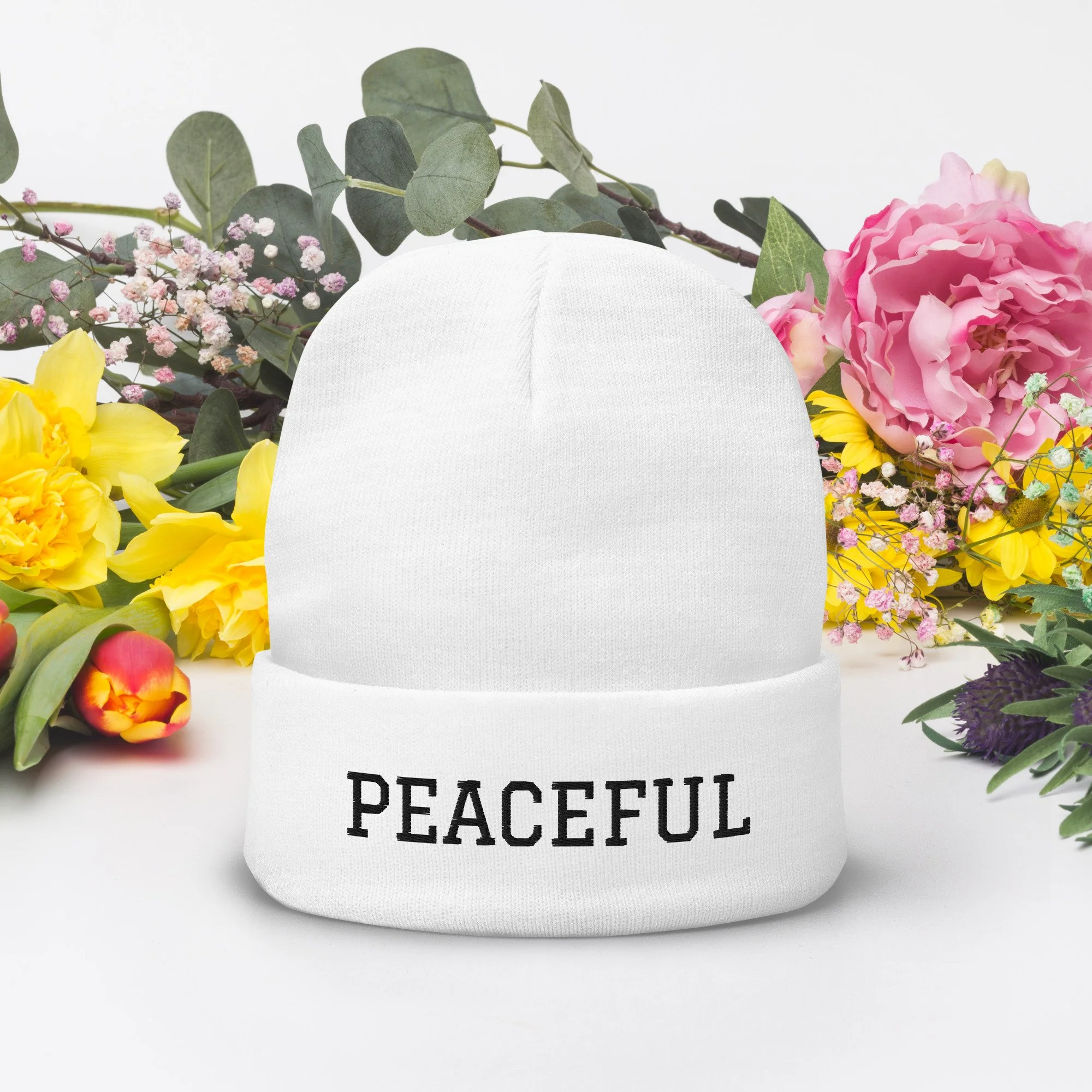
I recently created two simple beanies, not as statements of certainty—but as reminders.
A white beanie that reads “peaceful”, symbolizing a white flag—not of surrender, but of humanity. A quiet signal that says: I am choosing calm. I am choosing de-escalation. I am choosing to lead with care.
And a black beanie that reads “aware”, representing grounded awareness—not alarm, not panic, but conscious presence. Awareness allows us to see clearly without becoming consumed.
These words are not opposites. They belong together.
We can be peaceful and aware.
We can care deeply without burning out.
We can stay engaged without losing compassion.
So, What Should We Do Now?
From a mental health standpoint, the answer is both simple and profound:
Care for your nervous system
Choose thoughtful involvement over constant engagement
Communicate with intention
Model the regulation you wish to see
Wear—or embody—symbols that remind you who you want to be
Change does not always begin with action. Sometimes it begins with presence.
And sometimes, the most radical thing we can do in a tense world is to remain peaceful, stay aware, and invite others to do the same—one regulated conversation, one grounded moment, one quiet symbol at a time.

Coping Skills Tools
The Therapeutic Power of a Reverse Coloring Book
In a fast-paced and often overstimulating world, many people are searching for gentle, accessible ways to slow down, reconnect with themselves, and regulate their emotions. One creative and increasingly popular tool for mindfulness and emotional wellness is the Therapeutic Reverse Coloring Book.
Unlike traditional coloring books, a reverse coloring book begins with soft, calming watercolor images already painted on the page. Instead of filling in color, the user practices linework, drawing, and intuitive mark-making, allowing their mind to settle while engaging in creative expression. This simple shift opens the door to deeper mindfulness, self-awareness, and emotional processing.
What Is a Therapeutic Reverse Coloring Book?
A Therapeutic Reverse Coloring Book is designed with mental health, stress reduction, and emotional regulation in mind. The watercolor images are intentionally soothing—featuring gentle blends of color, organic shapes, and peaceful visual flow. The user adds lines, patterns, or shapes over the existing artwork, following intuition rather than rules.
This approach removes the pressure to “stay in the lines” or create something perfect. Instead, it encourages presence, curiosity, and self-compassion, making it ideal for clients, patients, therapists, and anyone seeking a calming creative outlet.
Mindfulness Through Linework and Creativity
One of the core benefits of a therapeutic reverse coloring book is its ability to support mindfulness practices. The repetitive motion of drawing lines and patterns can activate the parasympathetic nervous system, helping to reduce anxiety and promote relaxation.
As attention focuses on the movement of the pen and the colors on the page, the mind naturally shifts away from rumination and stress. This makes reverse coloring an effective mindfulness exercise for:
Anxiety management
Emotional grounding
Stress relief
Nervous system regulation
Many people find that even a few minutes of linework can bring a noticeable sense of calm.
A Tool for Emotional Expression and Coping Skills
Creative activities are widely used in therapeutic settings because they offer non-verbal ways to process emotions. A therapeutic reverse coloring book can support:
Emotional expression when words feel hard to find
Exploration of feelings in a safe, contained way
Development of healthy coping skills
Clients and patients may use the pages to reflect mood, energy, or inner experiences through the intensity or softness of their lines. Therapists often integrate reverse coloring into sessions, homework assignments, or grounding exercises as part of a broader mental health toolkit.
Ideal for Therapy, Self-Care, and Personal Growth
This type of coloring book is especially well-suited for:
Therapists, counselors, and mental health professionals
Clients and patients in therapy
Individuals practicing self-care and personal growth
People managing anxiety, burnout, or emotional overwhelm
Because it requires no artistic skill, the Therapeutic Reverse Coloring Book is accessible to all ages and experience levels. The focus is not on the final product, but on the process of slowing down, noticing, and creating.
A Gentle Invitation to Pause
At its heart, a therapeutic reverse coloring book is an invitation—to pause, breathe, and reconnect with yourself through art. The combination of calming watercolor imagery, mindful linework, and creative freedom makes it a powerful yet gentle resource for mental and emotional well-being.
Whether used in a clinical setting or during a quiet moment at home, this book offers a simple way to practice mindfulness, build coping skills, and nurture creative expression—one line at a time.
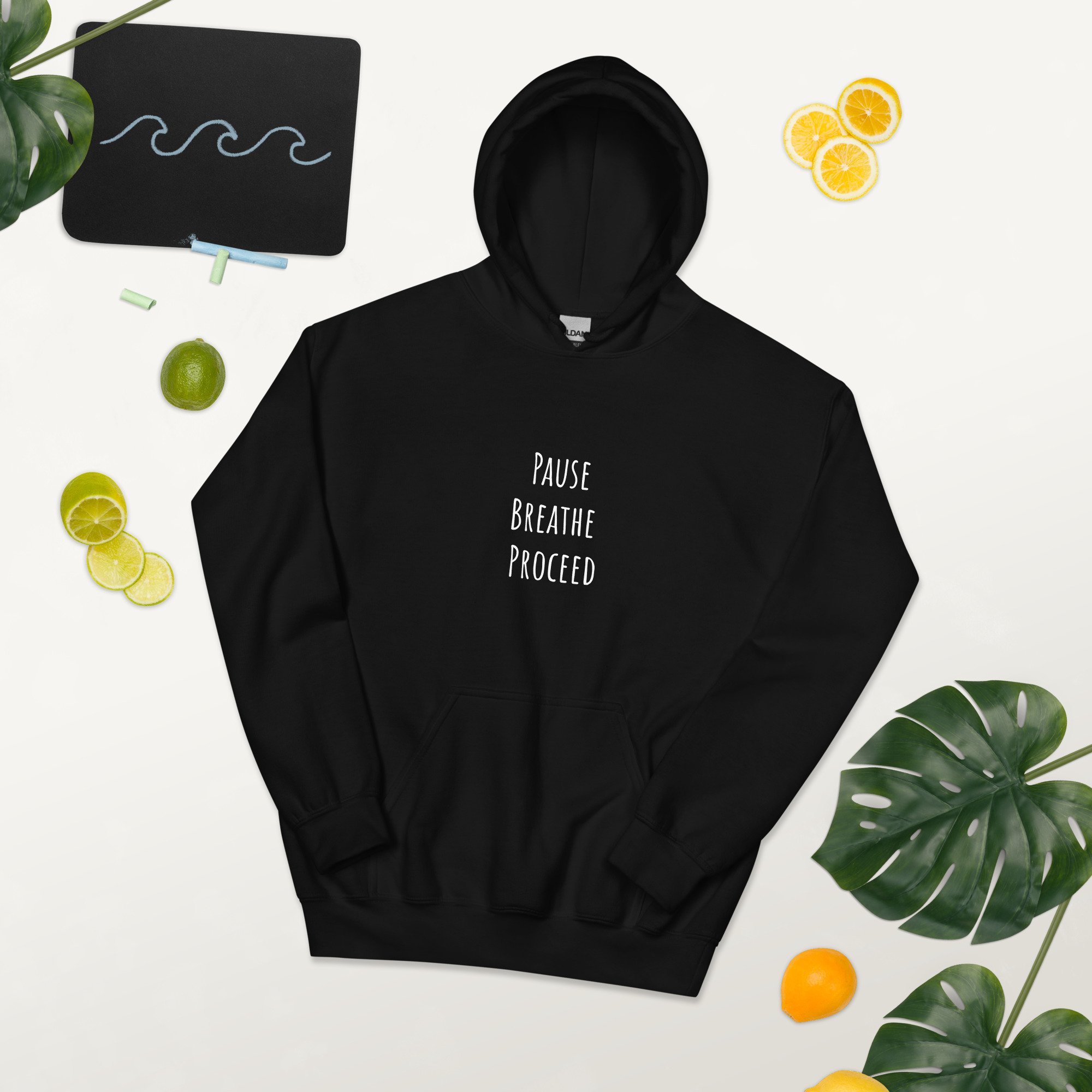
Therapy Sweatshirts for Mental Health Professionals
Mental Health wear that is witty, comfortable, and meaningful
Comfortable Reminders That Healing Is a Process
Working in mental health is deeply meaningful—and deeply demanding. Therapists, counselors, social workers, and other mental health professionals spend their days holding space, regulating emotions, and supporting others through healing journeys. In a field where burnout is common and self-care is essential, what we wear can become more than just clothing—it can be a reminder.
That’s why therapy sweatshirts with supportive mental health slogans have become so popular among mental health workers. Simple phrases like “pause breathe repeat,” “aware,” and “in my healing era” offer gentle grounding—not only for clients, but for therapists themselves.
Why Mental Health Workers Love Therapy Apparel
Mental health professionals are intentional people. We think deeply about language, symbolism, and the environments we create. Clothing that reflects our values can:
Reinforce mindfulness and emotional regulation
Spark meaningful conversations with clients or colleagues
Normalize healing, self-reflection, and mental health awareness
Serve as subtle reminders to slow down and check in with ourselves
A mental health sweatshirt isn’t about branding yourself—it’s about wearing compassion, authenticity, and emotional presence.
“Pause Breathe Repeat”: A Grounding Tool You Can Wear
One of the most loved phrases in therapy spaces is pause breathe repeat. This simple mantra mirrors techniques used in:
Trauma-informed therapy
Anxiety management
Mindfulness-based practices
Nervous system regulation
For therapists, wearing a sweatshirt with pause breathe repeat can be a personal cue between sessions. For clients, it models self-regulation without saying a word.
“Aware”: The Foundation of Healing Work
Awareness is at the core of all therapeutic change. Whether you practice CBT, ACT, psychodynamic therapy, or somatic approaches, awareness is where healing begins.
A sweatshirt that simply says aware speaks volumes:
Emotional awareness
Body awareness
Pattern awareness
Self-compassionate observation
It’s minimal, intentional, and deeply aligned with the work mental health professionals do every day.
“In My Healing Era”: Normalizing the Therapist as Human
Mental health workers are often expected to have it all together—but therapists are humans first. The phrase in my healing era gently challenges the myth that helpers don’t need healing themselves.
This message resonates strongly with:
Therapists in their own therapy
Graduate students and interns
Burnout-recovering clinicians
Anyone prioritizing growth and self-care
Wearing this statement helps normalize the idea that healing is ongoing—even for professionals.
Therapy Sweatshirts as Self-Care (Yes, Really)
Self-care for therapists doesn’t always look like bubble baths or yoga retreats. Sometimes it’s choosing comfort, warmth, and affirmation on a long clinical day.
High-quality therapy sweatshirts offer:
Physical comfort during long sessions
Emotional comfort through affirming language
Professional-appropriate casual wear
A sense of connection to the mental health community
This is especially meaningful for therapists working in private practice, community mental health, schools, or telehealth settings.
Thoughtful Gifts for Therapists and Counselors
Mental health apparel also makes thoughtful gifts for:
New therapists
Clinical interns
Graduation from counseling or social work programs
Therapist appreciation gifts
Burnout recovery support
Supportive mental health slogans feel personal without being intrusive—making them ideal for gifting.
Designed With Mental Health Professionals in Mind
These therapy sweatshirts are created intentionally for people who understand the weight of words. The language is supportive, non-pathologizing, and grounded in real therapeutic values.
They are made to feel:
Calm
Encouraging
Authentic
Safe
Because what we wear into therapy spaces matters.

Top Therapist Sweatshirts & Apparel That Speak Your Truth in 2026
Clothing for Mental Health and Healthcare Workers to feel comfortable, encouraging, and peaceful while modeling coping skills and normalizing the human experience
In the world of mental health professionals, comfort meets expression. Whether you’re a licensed clinician, counseling student, social worker, or school counselor, your wardrobe can do more than just keep you warm — it can tell your story, communicate your values, and build rapport with your colleagues and clients. At ilearneditintherapy, we’re passionate about providing therapy apparel and sweatshirts that help you wear your profession with pride.
Why Therapy Sweatshirts Are More Than Clothing
Therapists work long hours, juggle schedules and bring empathy into every session. A cozy sweatshirt with a meaningful message becomes part of your professional identity — a reminder of why you do what you do. High-quality, comfortable apparel isn’t just a wardrobe staple; it’s self-care you can wear. Just like other mental health sweatshirts on the market, which combine comfort with affirming messages that encourage resilience and self-awareness, our collection lets you express warmth and professionalism in every setting.
Designed by Therapists, For Therapists
At ilearneditintherapy.com, each sweatshirt design reflects the therapeutic journey — whether it’s humor, resilience, empowerment, or advocacy. These pieces are perfect for:
Clinic days
Supervision meetings
Casual professional events
Gifts for grad students or new clinicians
Tips for finding the perfect therapy-wear: Using keywords like “therapist sweatshirts,” “mental health apparel,” “therapy tees and hoodies,” and “therapist gifts,” helps you find what you need quickly and connects you to products that feel made for your world.
How Our Apparel Supports You
Your clothing can represent community and compassion. With slogans that resonate, you’re not just dressing for comfort — you’re sharing a message of healing. Customers often tell us that wearing a piece from our shop sparks conversations and builds connections with peers and clients alike.
👉 Tip for shoppers: Search terms like “therapy hoodie,” “mental health sweatshirt,” and “therapist gift apparel” help you find pieces that are both meaningful and stylish.
Perfect Gifts for Your Colleagues
Thinking of gifts for supervision circles, practicum groups, or holiday exchanges? Our sweatshirts are intentional gifts that honor the emotional labor therapists bring to every session. Try pairing them with a favorite therapy book or workbook for a complete clinician appreciation bundle.
Comfort Meets Message
We focus on sweatshirts that are:
Soft, high-quality fabric
Unisex and size-inclusive
Message-driven and relatable
Perfect for everyday wear or casual workdays
These products resonate with what the broader market is searching for — comfortable therapy apparel that carries meaning beyond fashion.